

Manorama Calendar

From Common place to Cultural Icon
Client:Malayala Manorama
When the Manorama Calendar launched in 1992, a century of brand trust wasn’t enough. Calendars were everywhere, handed out free by banks, shops, and local societies — so why pay for what you already get for nothing?
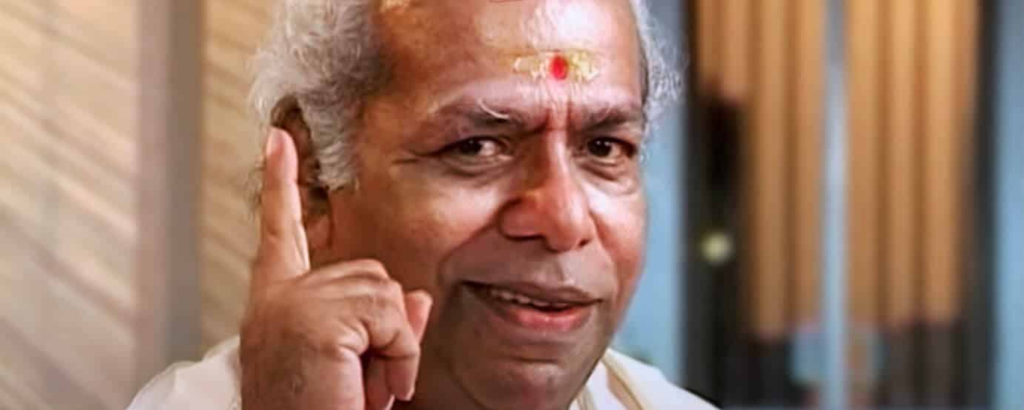
A consultation with Prof. Abraham Koshy of IIM Ahmedabad reframed the problem: the calendar didn’t need defending, it needed a value proposition strong enough to make the free version feel inadequate. The 1993 relaunch turned a date-tracker into a daily-life companion — Panchangam, Kollavarsham dates, Muhurtham timings, Nakshathram details, even train schedules. To connect those features to the people who cared most — Kerala’s older generation — we cast veteran actor Thilakan as the family karanavar, sharing muhurthams with his granddaughter and the family astrologer. It closed on a line that outlived the ad itself: “Calendar, Manorama thanne.”

Result
Three decades on, one of our longest-running campaigns and a nostalgic marker for generations of Malayalis.

Great ideas don't just sell—they stay.
Whether you're building a brand or launching a campaign, we're here to turn your vision into something unforgettable.